
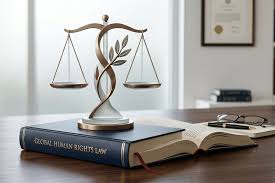
The defense of human rights is a cornerstone of any just society. It is the framework through which individuals can ensure their liberties and freedoms are protected from violation. The roles of Human Rights Defense civil rights lawyers and various organizations dedicated to human rights advocacy are vital in this pursuit, as they stand against oppression and discrimination. This article will delve into the various aspects of human rights defense, its significance, challenges, and the continuous fight to ensure these rights are upheld for all individuals.
The Essence of Human Rights Defense
Human rights defense relates to the activities and efforts to promote, protect, and enforce the fundamental rights and freedoms of all individuals, regardless of their background. These rights are enshrined in international documents such as the Universal Declaration of Human Rights (UDHR), which outlines the inalienable rights to which every person is entitled.
The essence of human rights defense is firmly rooted in the belief that every individual has inherent dignity that must be respected and protected. This involves various rights, including the right to life, freedom from torture, freedom of expression, and the right to participate in the cultural, social, and political life of their country.
The Role of Civil Rights Lawyers
Civil rights lawyers play a crucial role in the defense of human rights. They serve as advocates for individuals whose rights have been violated, often navigating complicated legal systems to ensure that justice is served. These lawyers tackle a wide array of issues, including discrimination based on race, gender, sexual orientation, and disability. Their work includes filing lawsuits, providing legal counsel, and representing clients in court.
Furthermore, civil rights lawyers are not just defenders in individual cases; they often work on broader issues, using strategic litigation to challenge unjust laws and practices. By setting legal precedents, they can create change that impacts many individuals, demonstrating the profound influence of dedicated legal professionals in the landscape of human rights defense.
Challenges Faced by Human Rights Defenders

Despite the progress made in human rights advocacy, numerous challenges persist. Many human rights defenders face persecution, violence, and legal repercussions for their work. Governments in various countries may enact laws that restrict freedom of expression, assembly, and association, impeding the efforts of those seeking to protect human rights.
The rise of authoritarian regimes around the world also presents significant hurdles. In these environments, dissent is often met with harsh consequences, including imprisonment or harassment. Accordingly, human rights defenders not only advocate for their clients but also risk their safety and liberty in the process.
Global Cooperation and Civil Society’s Role
Global cooperation is essential for advancing human rights defense. International organizations, such as the United Nations, play a pivotal role in promoting human rights standards and holding governments accountable. Initiatives like the Human Rights Council and various treaty bodies are crucial platforms for monitoring states’ compliance with human rights obligations.
Civil society organizations also play a vital role in the defense of human rights, often acting as watchdogs and advocates. They mobilize communities, raise awareness, and push for policy changes. By working collaboratively, these organizations can amplify their impact, drawing attention to issues that might otherwise be overlooked.
The Importance of Education and Awareness
Education is a fundamental aspect of advancing human rights defense. Raising awareness about human rights issues can empower individuals to assert their rights and advocate for themselves and their communities. Schools, universities, and community organizations are critical in educating citizens about their rights and the importance of defending them.
Additionally, the digital age has transformed the landscape of human rights advocacy. Social media platforms and online campaigns can raise instant awareness about rights violations, leading to a surge of public interest and activism. This connectivity has enabled swift responses to crises and has fostered a global network of solidarity among those advocating for human rights.
Conclusion: A Call to Action
Human rights defense is not merely the responsibility of a select few; it requires collective efforts from individuals, communities, legal professionals, and organizations across the globe. The fight for human rights is ongoing, and while significant progress has been made, there remains much work to be done.
As individuals aware of their rights and advocates for justice, we must remain vigilant and engaged in the defense of human rights, ensuring that they are recognized and upheld for everyone. Supporting civil rights lawyers, participating in advocacy, and spreading awareness are ways we can all contribute to this vital cause. Together, we can build a world where human rights are respected and protected, and where dignity is afforded to all.